Najac stretches along a rocky ridge, in a bend of the River Aveyron. At one end stands the royal fortress; at the other, slate-roofed houses step down towards the valley. In between lie more than seven centuries of history. Here is what not to miss.
The royal fortress of Najac
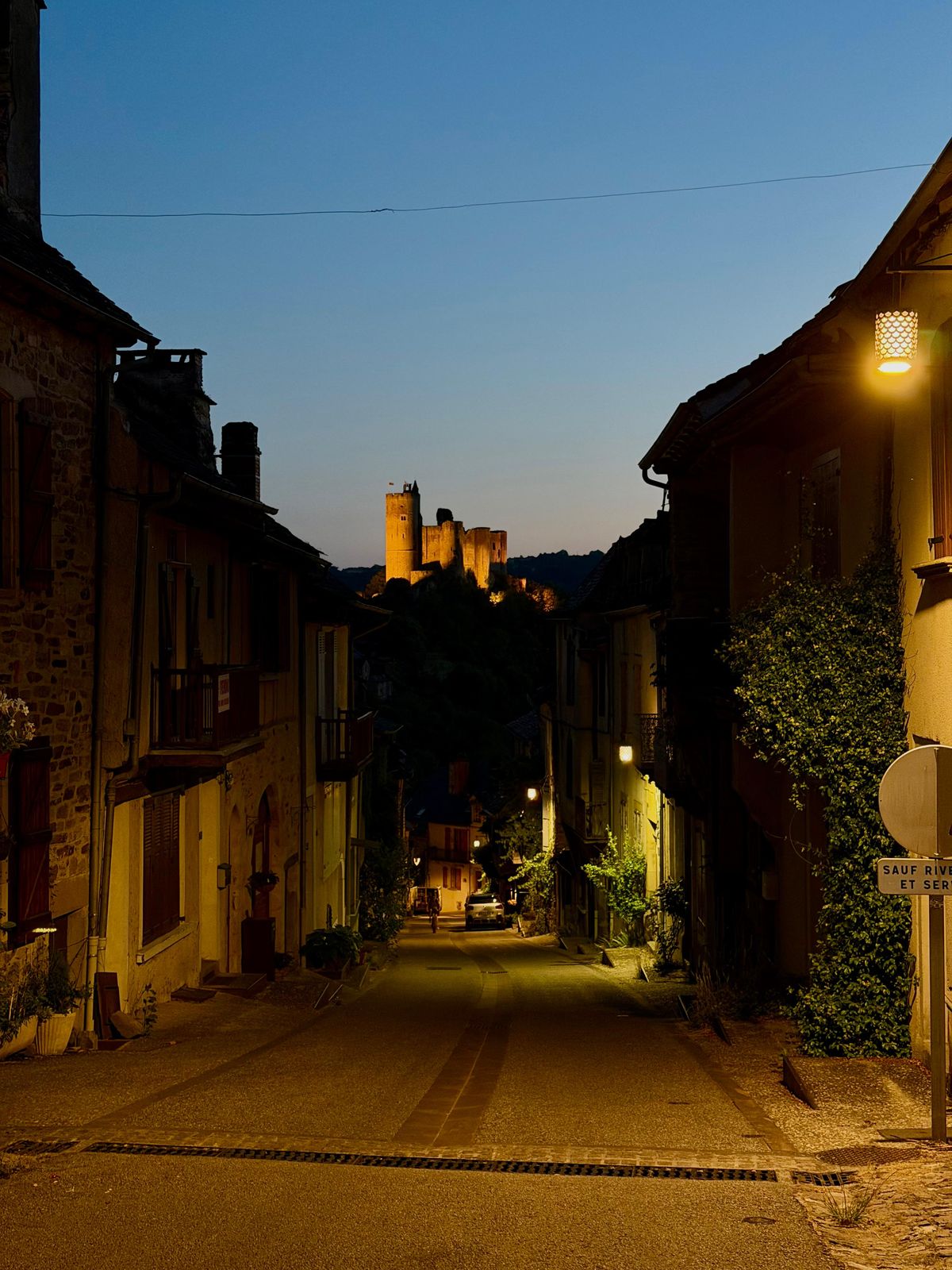
It is the first thing you see, from far away, rising above the Aveyron gorges. A fortress already stood here in the 12th century, but today's silhouette dates from 1253, when Alphonse de Poitiers, brother of King Louis IX, had it rebuilt. Najac was then the capital of Lower Rouergue, and the fortress was there to defend the region.
Its round keep was defended by archers posted almost seven metres up. After the arrest of the Templars in 1307, some of them were imprisoned here. The fortress later served mainly as a prison until the French Revolution, before being partly used as a stone quarry.
In 1906, Alfred Cibiel bought it and saved it from ruin. It still belongs to the same family.
Walking up to the fortress
The fortress can be reached on foot only, along a narrow and steep path. Good shoes are a good idea. You can visit on your own or with a guide; opening times and prices change with the seasons and are published by the Ouest Aveyron tourist office.
The church of Saint-Jean-l'Évangéliste
Below the fortress stands the church of Saint-Jean-l'Évangéliste, built in the 13th and 14th centuries in the southern French Gothic style.
“A ridge of stone, with the Aveyron valley at its feet.”
From the Porte de la Pique to the Place du Barry
Najac is explored on foot, following the street that runs along the ridge. On the way you pass:
- The Porte de la Pique, a fortified 13th-century gateway.
- The Maison du Gouverneur (13th–15th century), now an architecture and heritage interpretation centre.
- The Maison du Sénéchal, from the 15th and 16th centuries.
- The Fontaine des Consuls, dated 1344 and still in its original place.
- The Place du Barry, with its 15th-century arcades, in the lower quarter.
Don't miss the Pont Saint-Blaise either, a bridge closed to cars.
A taste of Najac
Two specialities go with a visit: fouace, a soft brioche flavoured with orange blossom, and astet najacois, a stuffed roast pork. The village was also once known for its ham.
A village with labels
Najac is one of Les Plus Beaux Villages de France, the most beautiful villages in France, and holds the Station Verte label. It also carries the Villes et Pays d'art et d'histoire label. The village has its own railway station too.
Seeing Najac from the hill opposite
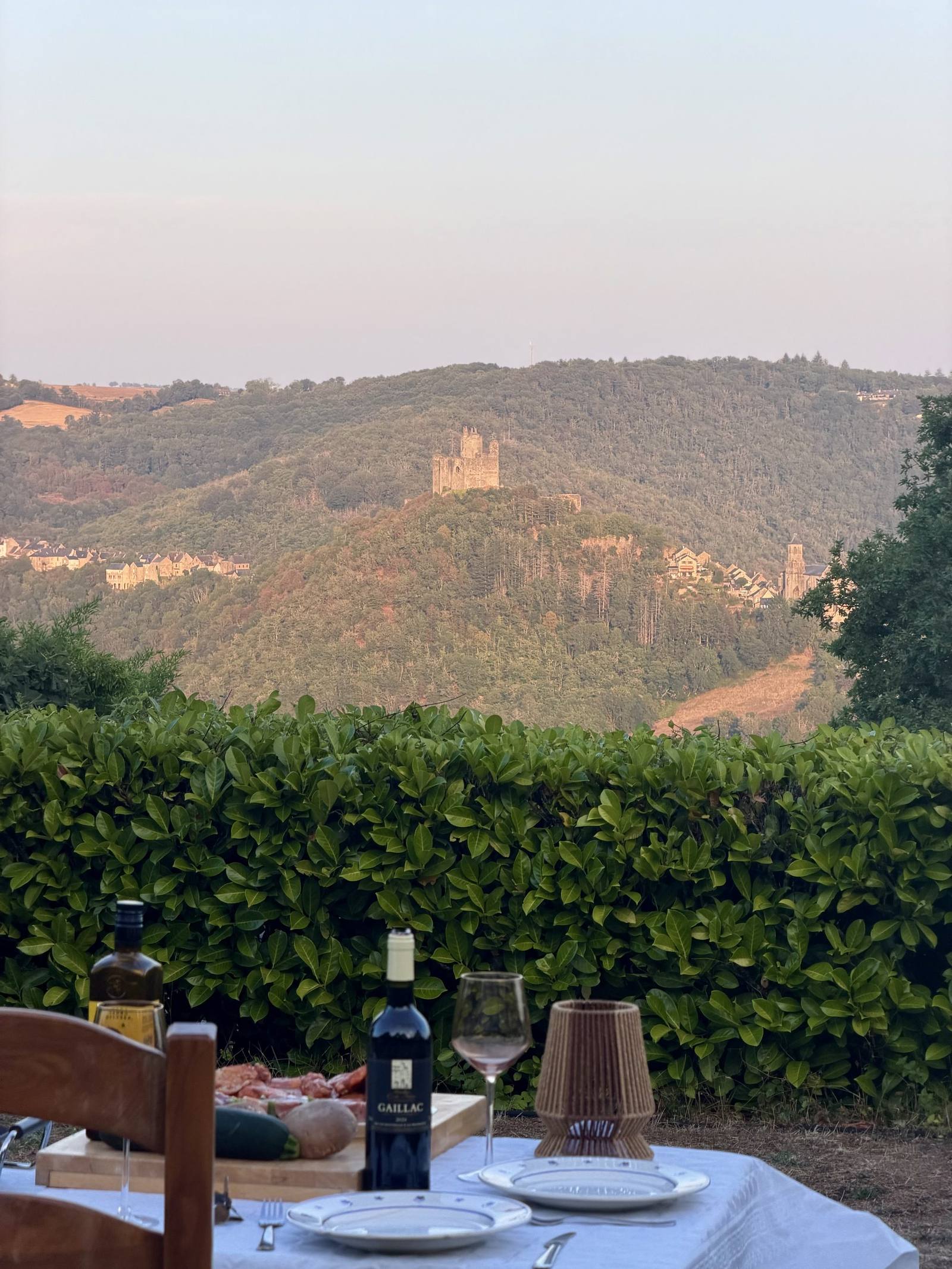
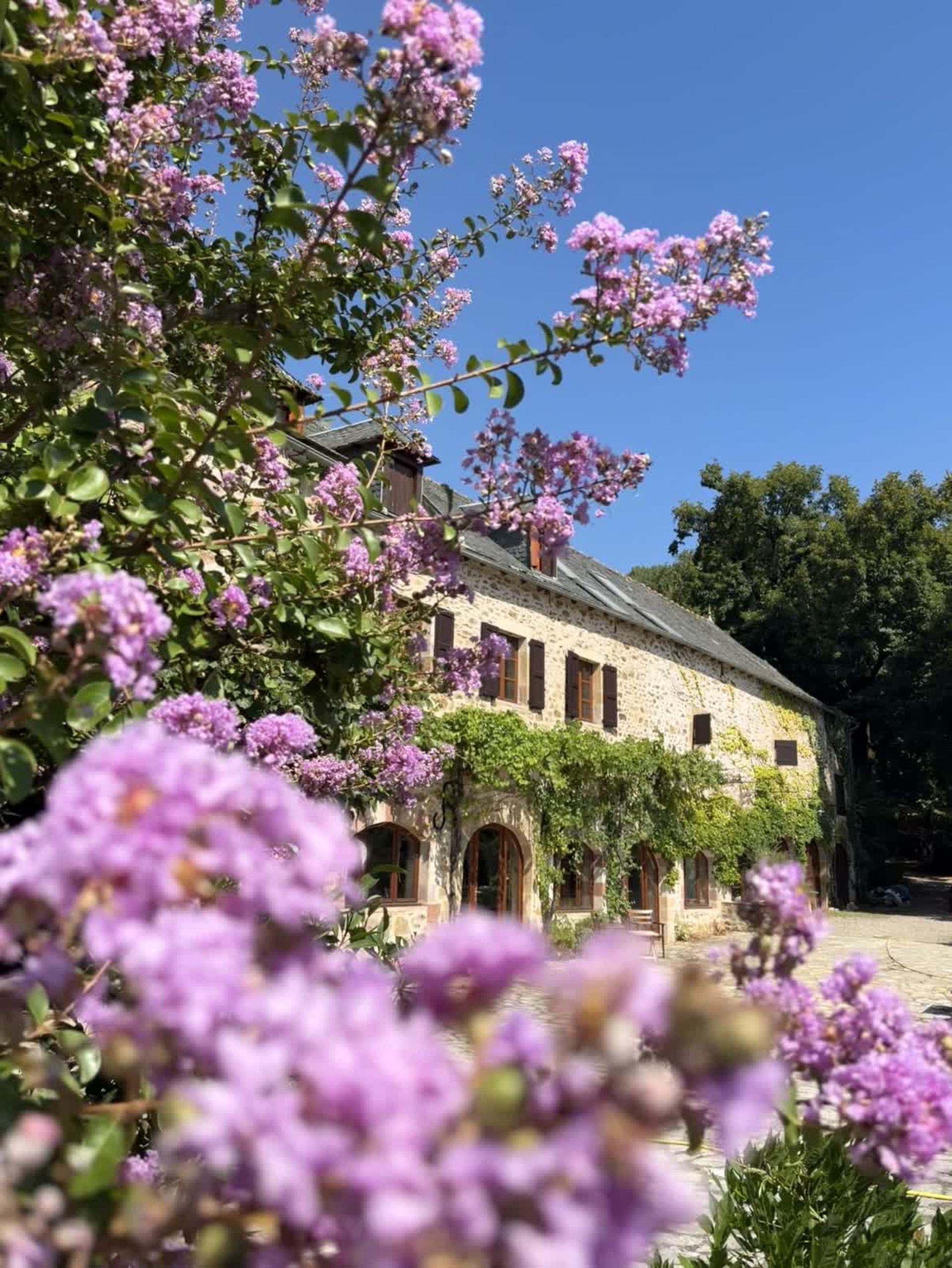
The finest view of the fortress isn't always from the village itself. Les Gardes, our guest house, sits on the hill facing it: all five rooms share the same view of Najac, with the fortress and the church at the centre of the landscape. At sunset, the fortress stands out against the sky from the terrace. A lovely way to end a day spent wandering the streets.
Want more? Discover seven day trips around Najac, from Laguépie to Cahors.
Frequently asked questions
Who built Najac fortress?
Alphonse de Poitiers, brother of King Louis IX, had it rebuilt from 1253. An earlier fortress already stood here in the 12th century.
Can you drive up to the fortress?
No, it can only be reached on foot, along a narrow and steep path.
Is Najac one of the most beautiful villages in France?
Yes, and it also holds the Station Verte label.
What are Najac's specialities?
Fouace, a brioche with orange blossom, and astet najacois, a stuffed roast pork.
Where can I find the fortress opening times?
They change with the seasons. Check the Ouest Aveyron tourist office before your visit.
Published 23 September 2026 · Information checked on 23 September 2026 with the Ouest Aveyron tourist office, Tourisme Aveyron and Les Plus Beaux Villages de France.